Some of the main revelations I discuss in this post:
- Familiarizing myself with recipes helped me, though not necessarily love, appreciate and understand the high calorie content of baked goods instead of feeling frustrated by it.
- Reconnecting baked goods with my childhood interpretations of them (before my binge eating started), such as nostalgia and cozy bakery vibes, reduced the strong mental contrast between "good" and "bad" foods that I had once so faithfully held.
- Since I'm not an expert on how fat affects baked goods, I've found that sticking to the full amount of a high-calorie ingredient (such as butter) instead of reducing it often leads to greater satisfaction—not just in taste, but in the baking process and technique as well.
This doesn't mean that every time I bake, I don't overeat the food I make. Nor did I miraculously stop binge eating. However, I did learn to appreciate where the calories come from. As many binge eaters know, calories can become a rigid source of frustration. Before, I would examine something like a muffin from Costco and gasp in horror when I realized each one contained up to 600 calories. Or I would shake my head in disappointment after learning that a Costco bakery cookie contained 200 calories.
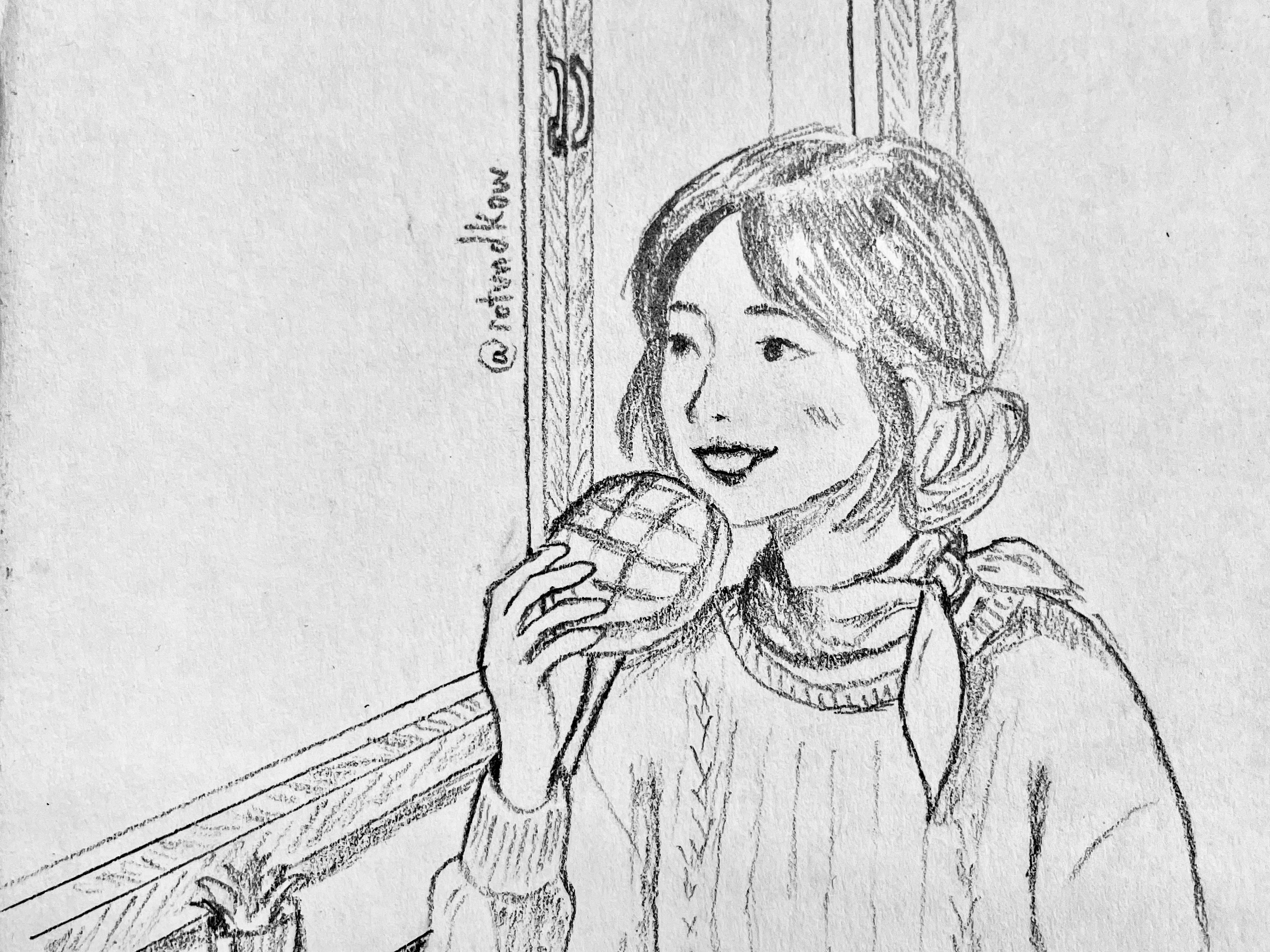
Now, I still lament the number, but the number... is honestly justified. This gradual revelation came from learning the basic recipes behind baked goods such as croissants, cookies, and muffins. They are products of calorie-dense ingredients like butter, sugar, and cream, but each one also contains craftsmanship and technique, whether that's dough lamination or carefully stuffing red bean paste into a pastry. And these foods are just... food.
A few years ago, I would roll my eyes at online advice telling people not to label foods as "good" or "bad." Of course I knew they were technically just food, and that it was societal expectations—and my own thinking—that made a donut seem "bad" compared to an apple. But now, I embrace that idea much more. Picture a cozy bakery café filled with warm cookies and pies, elderly customers chatting, young couples sharing pastries, and families with children looking through display cases while autumn leaves drift outside the window. What does the pie carry? It carries coziness, nostalgia, and a feeling of connection. These baked goods are not meant to make you feel guilty about the energy they contain. They really are just food—food that can bring satisfaction when a sweet craving hits. I now understand why a double-crust pie contains two sticks of butter, and I don't regret using them when attempting to bake my first pie from scratch.
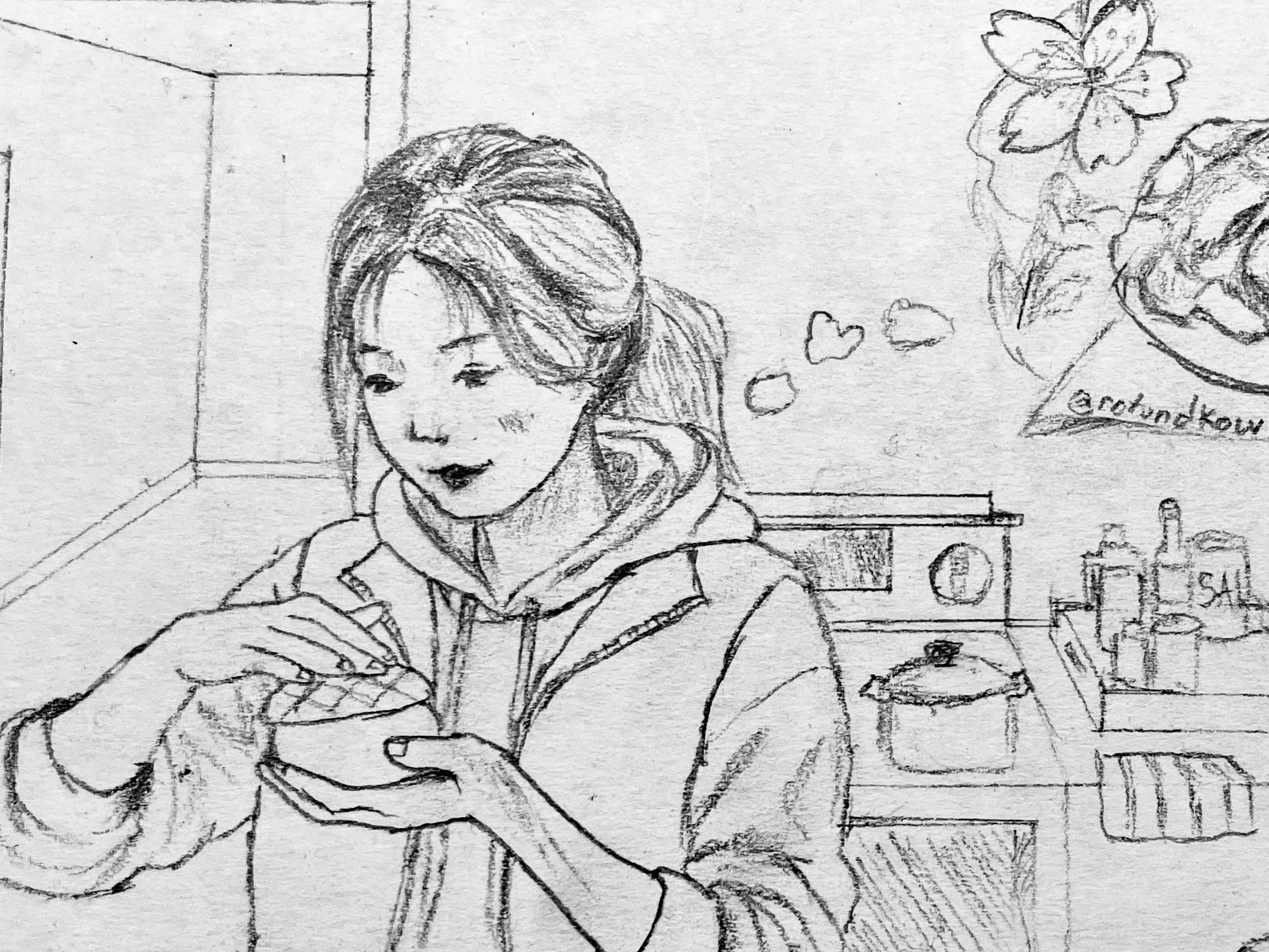
There have been many times when I tried to reduce the calories in a recipe, especially by cutting back on ingredients like butter or lard (particularly in Chinese pastries). Then I would realize I should have simply followed the original recipe. My enriched dough would end up with the wrong hydration because I reduced the milk and butter. The texture of a pastry would suffer because I tried to reduce the lard. What did I gain from reducing high-calorie ingredients in a recipe I was attempting for the first time? Usually, an off-tasting product and an unsatisfying baking experience.
For example, I might manage to reduce each bread roll by 40 calories, but then eat two of them because they were less satisfying. Each bread might be 250 calories instead of 290, which ends up adding many of those calories right back. Of course, there's nothing wrong with learning how to reduce calories in a recipe once you have more experience and understand how ingredients affect texture and flavor. However, if you're still a beginner and trying to improve your relationship with food, I don't think that should be your primary focus.
The hardest part comes when the baked goods come out of the oven and you want to try them immediately. This isn't true for everyone, but whenever I eat something enjoyable outside of a meal, I often find myself wanting to continue that eating momentum. Because of that, I've made it a habit not to sample baked goods straight from the oven. Instead, I wait until dinner and try a portion alongside other foods that I enjoy.
I came to this realization because of one particular experience. Once, I made sixteen boxed brownie squares. That night, I ate five of them. (Let's not even talk about the calories—I remember spiraling that evening and ultimately binge eating.) I also remember feeling guilty knowing that my family would probably want some too, yet I had already eaten more than a quarter of the batch in less than thirty minutes. Since then, I've become much more mindful about not spiraling after baking.